

Table of Contents
- Introduction
- Choosing the Right Trees for Your Winnipeg Landscape
- Climate Considerations
- Top Trees for Winnipeg Homeowners
- Preparing for Planting
- Assessing Your Yard
- Soil Preparation
- Tools You’ll Need
- Planting Your Tree
- Best Practices for Planting
- After-Planting Care
- Growth Rate and Size of Trees
- Understanding Growth Patterns
- A Look at Common Trees
- Common Tree Diseases and Pests
- Identifying Common Tree Diseases
- Common Tree Pests
- Where to Plant Trees in Your Yard
- Ideal Locations
- Potential Risks of Root Growth
- Conclusion
- Frequently Asked Questions About Tree Planting in Winnipeg
Introduction
Ah, the great outdoors! Few things compare to the exhilarating feeling of stepping into your own backyard, where fresh air kisses your skin and the vibrant colors of flowers dance in the sunlight. Whether you are a proud homeowner in Winnipeg or a savvy commercial property manager wanting to enhance a space, choosing the right trees for your property is a vital step toward achieving that serene outdoor oasis you've daydreamed about. The landscape in Winnipeg presents unique challenges, primarily caused by our region's climate variations, often marked by cold winters and warm summers. That’s why it’s crucial to understand which tree species will not only thrive in our environment but also elevate the aesthetic beauty and functionality of your yard.
But before you rush off to your neighborhood garden center, let’s pause for a moment to consider why adding trees is a solid investment for your property. Trees do much more than just beautify—they provide shade, improve air quality and enhance your home's value. If you're ready to transform your outdoor space with a splash of greenery but need guidance on where to start, you’re in for a treat! From making informed decisions about which trees will work best in your yard to identifying the common pests and diseases that might threaten your new leafy companions, this comprehensive guide aims to equip you with all the necessary knowledge.
Tips on Transitioning Your Yard From Winter to Spring
So roll up your sleeves, grab those gardening gloves, and put on a sun hat! We’re about to delve into the delightful world of tree planting in Winnipeg—an endeavor that can bring endless joy, shade, and a touch of nature into your life. Whether you're growing a solitary specimen or planning a mini-forest, let's embark on this journey together!
Choosing the Right Trees for Your Winnipeg Landscape
-
Climate Considerations
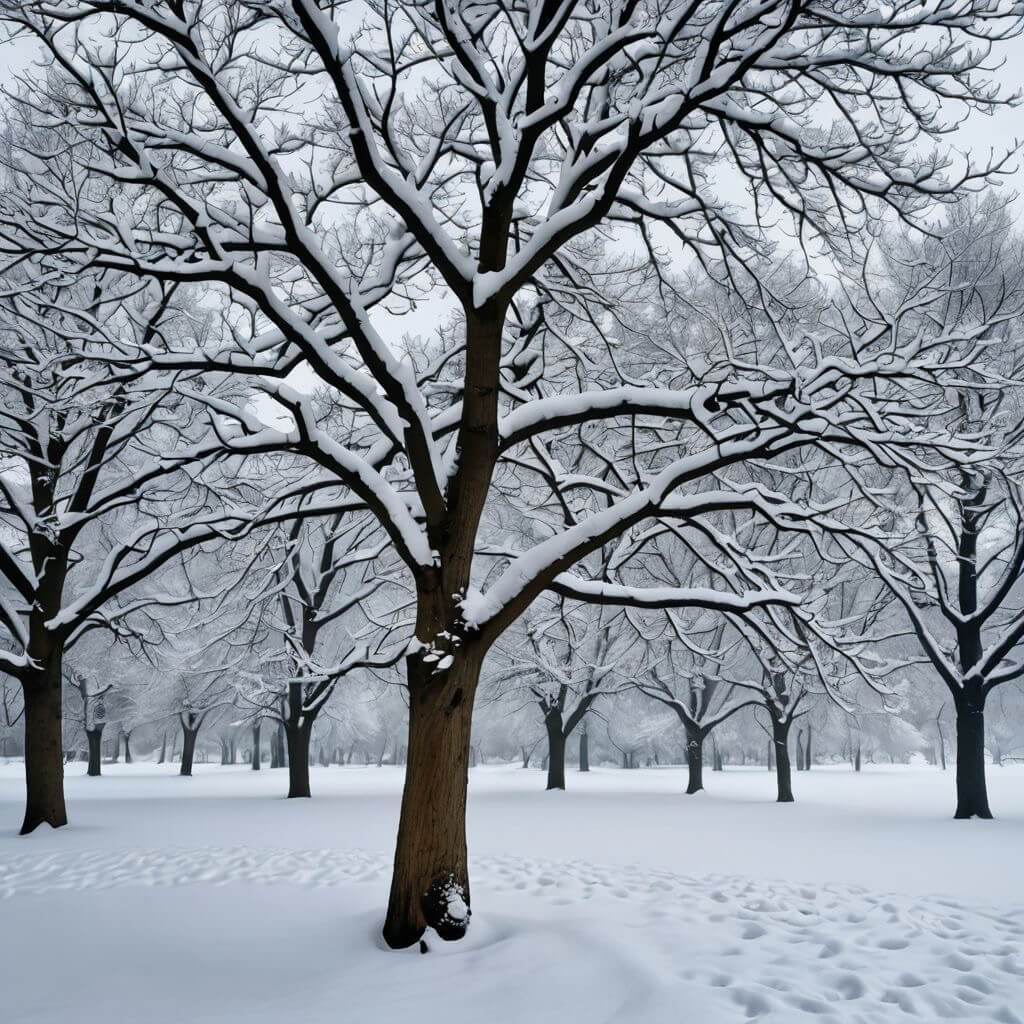
Before you sprint off to your local garden center, it’s essential to take a moment to consider the climate of Winnipeg. The city enjoys a humid continental climate, characterized by frigid, snowy winters and warm, often humid summers. Temperatures can fluctuate significantly; they can soar above 30°C in the summer and drop below -30°C during harsh winters. These extreme conditions mean that your chosen tree varieties must possess the resilience to withstand the cold while also flourishing in warmer conditions.
To complicate matters, Winnipeg experiences various levels of precipitation, which can impact tree health and growth. Therefore, it’s crucial to select trees that are not only tolerant to local Winnipeg-style climates but also suitable for the soil types found in different areas of the city. So what exactly does that entail?
-
Top Trees for Winnipeg Homeowners
With the unique climate factors in mind, let’s explore some fantastic tree options that thrive brilliantly in our corner of the country. The following list showcases trees that can make excellent companions for your property:
1. Norway Maple: Renowned for its hardiness, Norway Maples are fantastic at enduring urban conditions. They provide ample shade and can reach impressive heights, making them a perfect choice for spacious backyards.
2. Eastern White Pine: A native species, this evergreen grows tall and boasts a soft, lush texture. It is robust and long-lived, offering excellent wind protection and improving the overall environment around your home.

3. Red Maple: An aesthetically pleasing option, Red Maples are famous for their vibrant fall colors. They adapt well to various soil types, and they grow quickly, escalating your landscaping game in no time.

4. Saskatoon Berry: Looking for a bit of diversity? The Saskatoon berry tree not only offers lovely blooms and attractive fall foliage but also rewards you with berries that can be harvested each season!

5. Amur Maple: If your yard is on the smaller side, consider the Amur Maple. This tree typically stands under 20 feet tall, making it suitable for compact spaces while providing brilliant red foliage in the fall.
With climate considerations and ideal candidates now established, let’s dive into the exciting preparation steps before you get your hands dirty.
Preparing for Tree Planting
-
Assessing Your Yard
You’ve chosen some fantastic tree options—now it’s time to assess your yard thoroughly! Not just any half-hearted stroll will do—conducting a detailed evaluation of your outdoor space is essential for successful plantings. Pay attention to aspects like sun exposure, moisture retention, and existing landscaping. Take note of areas that receive full sunlight, because most tree species prefer at least partial sun to thrive.
Furthermore, keep your structures in mind! Any fences, decks, or other installations should be considered since they can affect your trees and the way they grow. Once you visualize suitable locations for planting, you’ll be equipped to make the right choices. You should also consider whether your trees will become part of traditional garden beds or stone-based planting beds for Winnipeg landscapes, as each design requires different preparation and drainage planning.
-
Soil Preparation
So, let's dig into the dirt—figuratively and literally! Healthy trees start with the right soil conditions. You want to ensure that your soil has good drainage capabilities and is enriched with organic matter. Time to roll up those sleeves! Here’s how to prepare your soil:
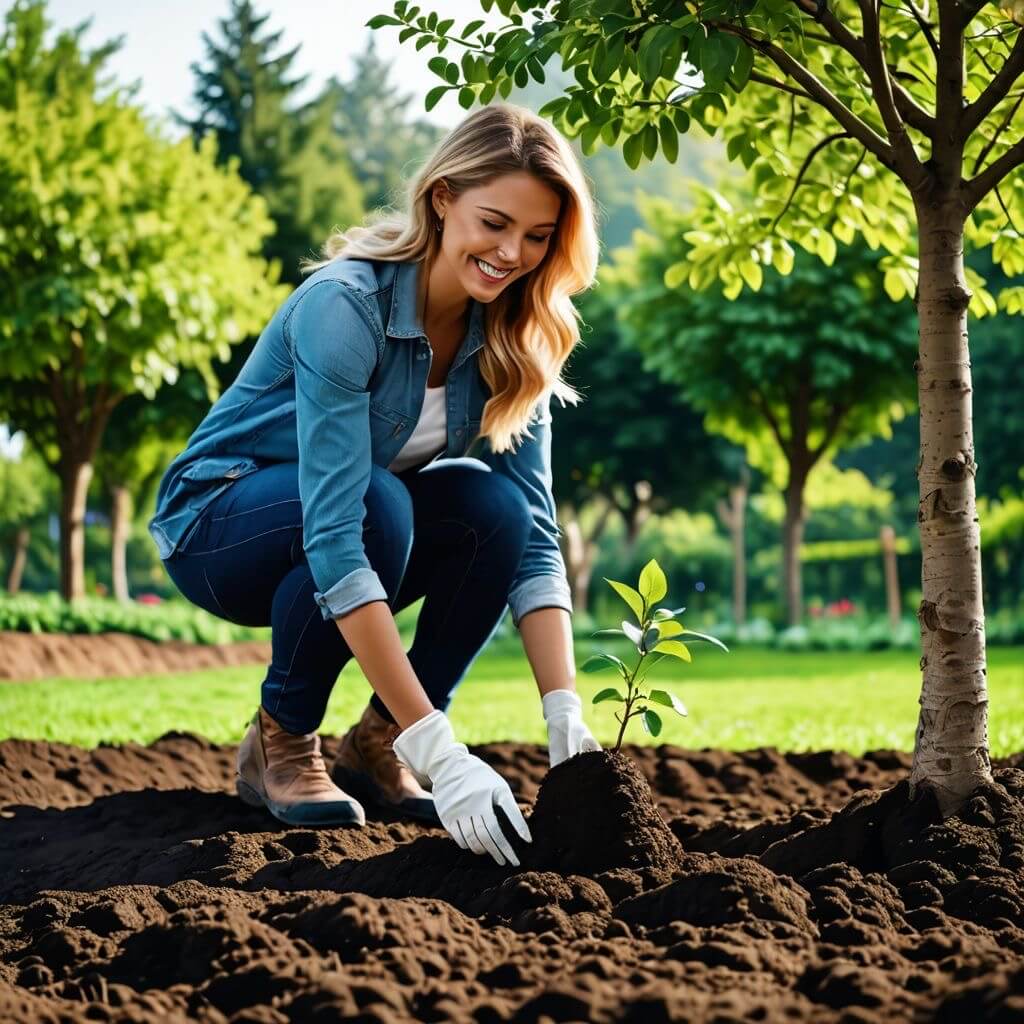
1. Test the soil: You can easily purchase a testing kit at a local garden center. This will help you assess pH levels and nutrient content.
2. Amend the soil: Based on the soil test results, you may need to add compost, peat moss, or other organic materials. Mixing these amendments with the existing soil promotes nutrient-rich, healthy ground for your new trees.
3. Add mulch: Apply organic mulch to help retain moisture, protect the soil from temperature fluctuations, and reduce weed growth. Learn more about choosing the best types of mulch for Winnipeg yards before deciding which material to place around your trees.
-
Tools You’ll Need
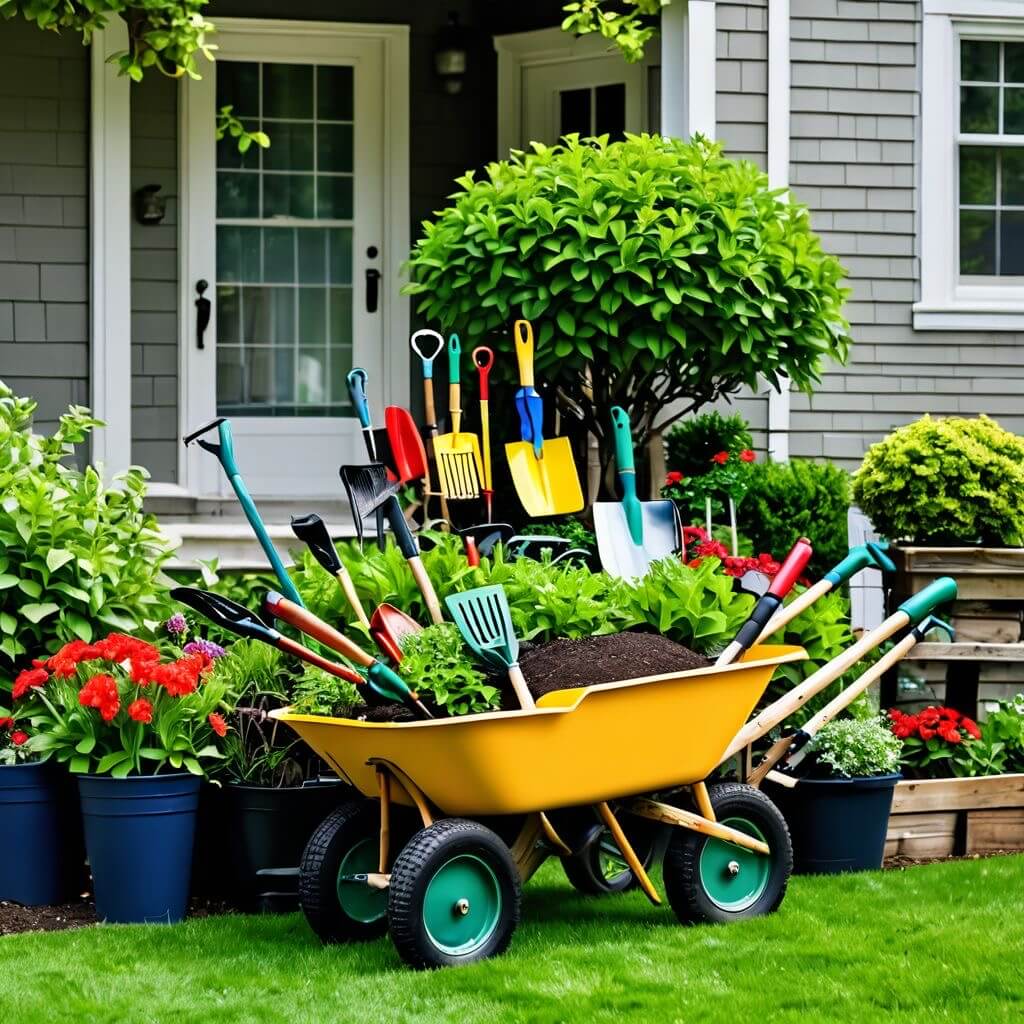
A successful planting day boils down to being adequately equipped. Here’s an extensive list of essentials for your upcoming tree-planting adventure:
- Shovel: A durable shovel is essential for digging the hole.
- Rake: To smooth out the area after finishing the planting task.
- Watering can or hose: Hydration is crucial post-planting.
- Mulch/wood chips: These serve as a lovely finishing touch and promote healthy soil.
- Pruning shears: As a handy addition, you may need these to shape any excess branches in your new trees.
How to Plant a Tree
-
Best Practices for Planting
You’ve assessed your yard, prepared the soil, and gathered all your tools—now, the moment has arrived to plant your tree! Follow these simple yet crucial steps for a successful planting day:
1. Dig the hole: This should ideally measure about twice the width of the root ball and no deeper than the height of the root ball itself.
2. Remove the container: For trees purchased in containers, carefully peel away the material without damaging the roots.
3. Position your tree: Center the tree in the hole while ensuring that the top of the root ball is level with the ground surface. Elevating it slightly can also be beneficial for drainage.
4. Backfill: Use the excavated soil to refill around the root ball, and pack it lightly to eliminate any air pockets. This is essential for strong root establishment.
5. Water generously: Provide your newly planted tree a deep soak right after planting. This encourages the soil to settle and roots to take hold.
6. Add mulch: Finally, spread a layer of mulch around the base of the tree, leaving a small gap near the trunk to stave off rot.
Contact us today for your free estimate.
-
After-Planting Care
Congratulations! You’ve successfully planted your tree. However, the work doesn't conclude with the planting. Ongoing care for your trees is vital for long-term health and happiness. Here are some essential care tips:
Watering: Trees require consistent moisture, particularly during the first year following their installation. Deep watering approximately once a week is generally ideal, but increase frequency in hotter or dry months.
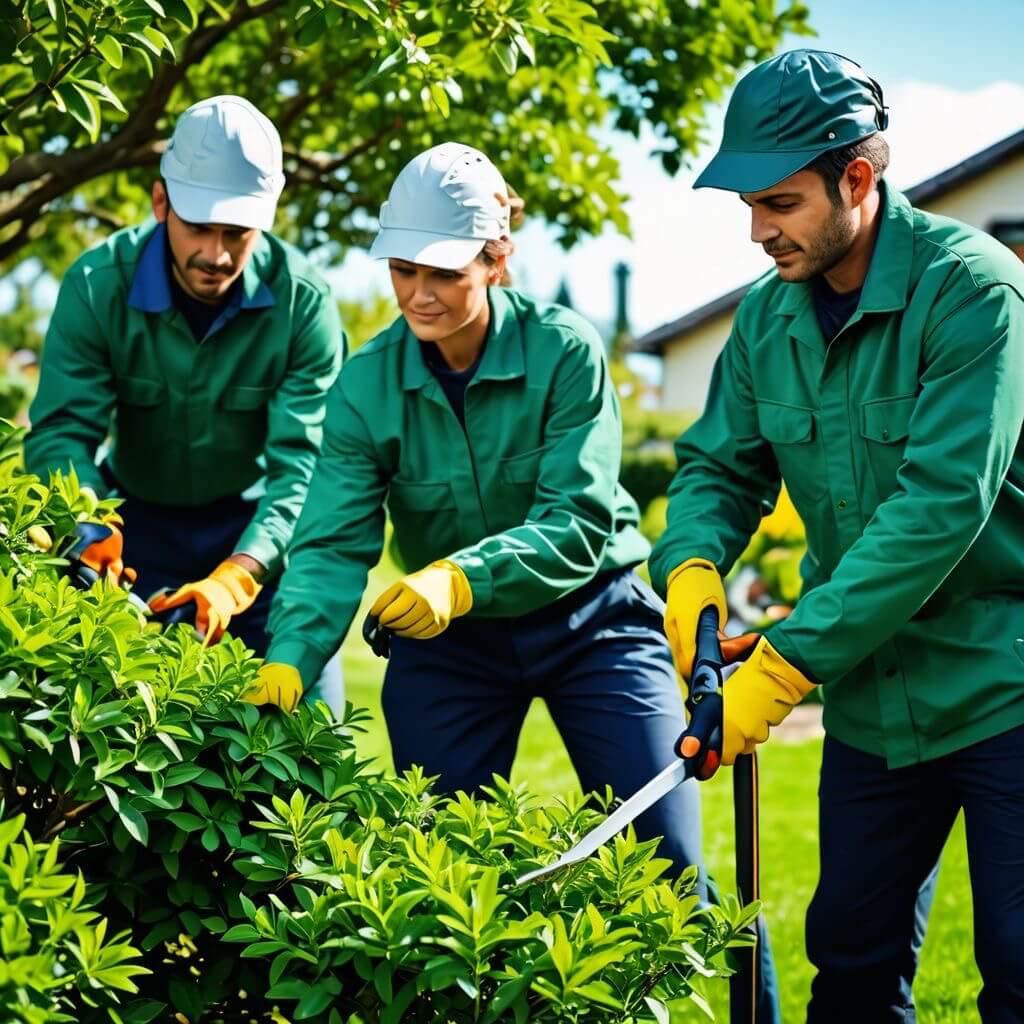
Pruning: Avoid making significant cuts until the tree has settled in—often after about a year. Remove dead, damaged, or crossing branches when appropriate, and review these tree trimming and pruning tips to support healthy long-term growth.
Monitoring: Always be vigilant and keep an eye out for signs of stress, wilting, leaf loss, or pests. Early detection can often remedy potential problems before they escalate.
Regular inspections and timely pruning can also help prevent branches from creating access points for unwanted pests. Learn more about the connection between tree trimming, pest prevention, and tree health.
Growth Rate and Mature Size of Trees
-
Understanding Tree Growth Patterns
Trees don’t just stand still and look pretty! Different species have distinct growth patterns that significantly impact your yard over time. Some trees may be speed demons, while others prefer a slower and steadier approach. Understanding these differences is key to maintaining a balanced landscape:
Fast-growing trees: Norway Maple tends to provide shade within just a few years. They can add significant ambiance to your yard in no time.
Moderate growth: Eastern White Pine enjoys life at a more moderate pace, gradually reaching its majestic heights.
Slow but sure: Amur Maple may take longer to grow, but its delightful colors will compensate for the wait once it’s fully established.
-
Growth Rates and Sizes of Common Trees
Let’s take a more in-depth look at how some of the trees previously mentioned will grow and their respective sizes:
Norway Maple: This tree typically reaches heights of 40 to 50 feet and boasts a spread of about 30 to 45 feet. Expect an annual growth rate of approximately 1 foot.
Eastern White Pine: Known for their towering heights, these trees can reach a staggering 50 to 80 feet tall, with a crown spread around 30 feet. Typically, they flourish at a growth rate of around 2 feet per year.
Red Maple: With a rapid growth rate of 3 to 5 feet annually, expect this tree to culminate in heights of 40-60 feet while unveiling vibrant shades of red in the fall.
Need Help Choosing the Right Trees for Your Winnipeg Yard?

Choosing a tree involves more than selecting the variety you like best. Mature size, sunlight, drainage, soil conditions, nearby structures, and long-term maintenance should all be considered. Sunshine Landscaping can help you evaluate your property and plan tree placement that complements your overall Winnipeg landscape.
Call or text 204-229-9789 to arrange a no-obligation introductory phone call about your landscaping goals.
Before scheduling your introductory call, review these tips for preparing for a Winnipeg landscape consultation so you can discuss your priorities, budget, and property requirements more effectively.
Why homeowners choose Sunshine Landscaping: Local Winnipeg experience, careful property planning, responsive communication, and service for both residential and commercial landscapes.
Common Tree Diseases and Pests
-
Identifying Common Tree Diseases
Just like humans, trees may also get sick. It’s essential to be aware of common health issues that might affect your leafy friends:
Maple Wilt: This disease typically causes leaves to curl and wilt prior to dropping. Early detection and treatment are vital to curb infections.
Leaf Spot: Usually caused by fungal infections, signs include dark spots on leaves. Although this is primarily an aesthetic concern, it can sometimes impact tree health if left untreated.
-
Common Tree Pests
The world of trees often invites unwelcome guests in the form of pests. It’s crucial to watch out for some of these common critters:
Aphids: These tiny intruders commonly hide beneath leaves and can weaken plants by feeding on their sap.
Emerald Ash Borer: This invasive pest poses a serious risk to ash trees and is a growing concern in many regions, including Winnipeg.
Caterpillars: You may find caterpillars munching on leaves, and in a short amount of time, they can strip a tree bare if not intercepted quickly.
When you notice any of these pests, don’t fret! There are numerous treatments available, including insecticidal soaps and introducing beneficial predators to maintain balance.
Winnipeg property owners should also understand the warning signs of Dutch elm disease and other common tree diseases, since early identification can help limit damage and guide the next steps.
Where to Plant Trees in Your Yard
Contact us today for your free estimate.
-
Ideal Tree-Planting Locations
Location can make or break your tree’s success, so let’s delve into where to plant them! Here are several factors to consider:
Sunlight: Trees flourish best in sunlight. Identify which areas of your yard bask in sunshine for most of the day, as many trees thrive in full sun or partial shade.
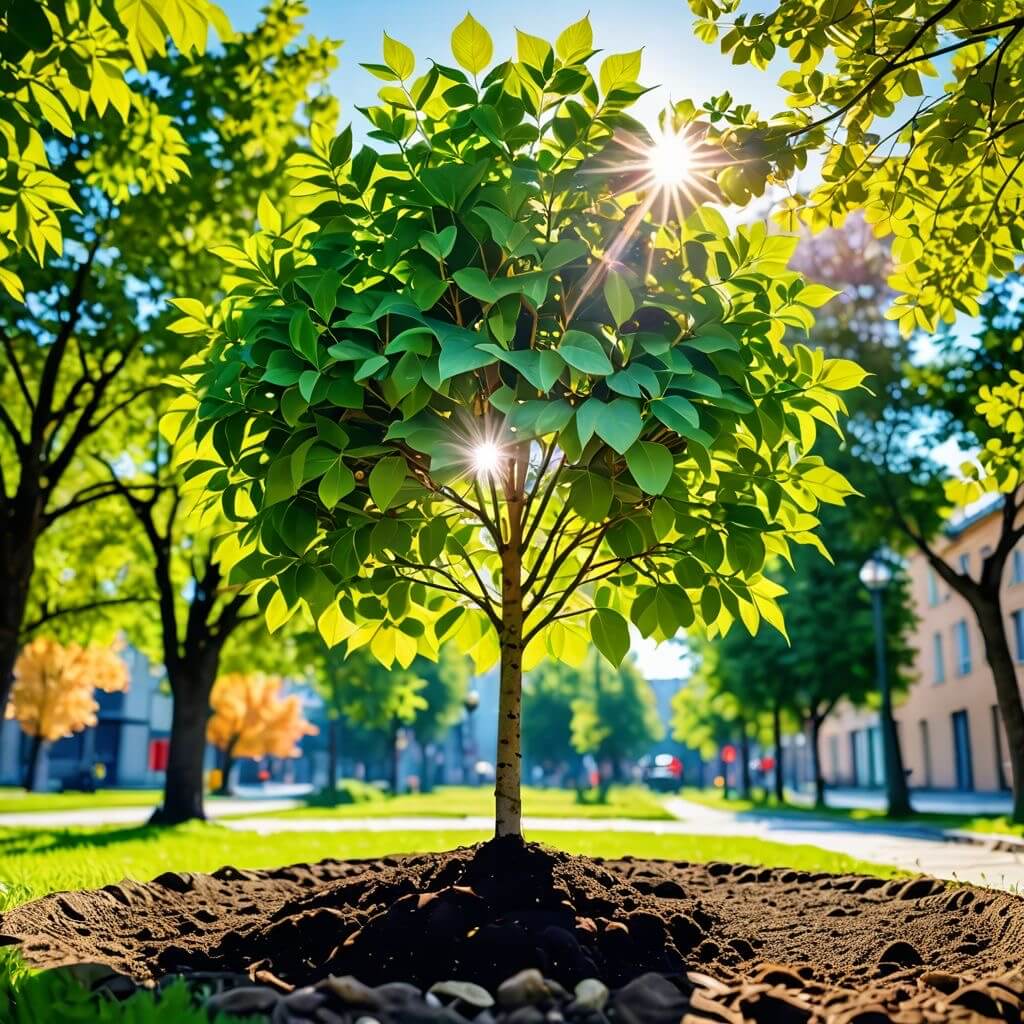
Spacing: Ensure adequate space between trees to avoid overcrowding, allowing for good air circulation which promotes healthy growth.
Proximity to Structures: Consider how far away your tree should be from fences, patios, and your home. As a general guideline, plant larger tree varieties at least 10–15 feet away from any structures to mitigate risks.
-
Potential Risks of Root Growth
Let’s address a crucial, albeit less charming aspect of tree planting—root growth! While trees offer beauty and shade, their expanding root systems can also cause issues. Here’s what you need to know:
- Foundation Risks: Large trees planted too close to foundations can lead to shifting, resulting in cracks that may need expensive repairs.
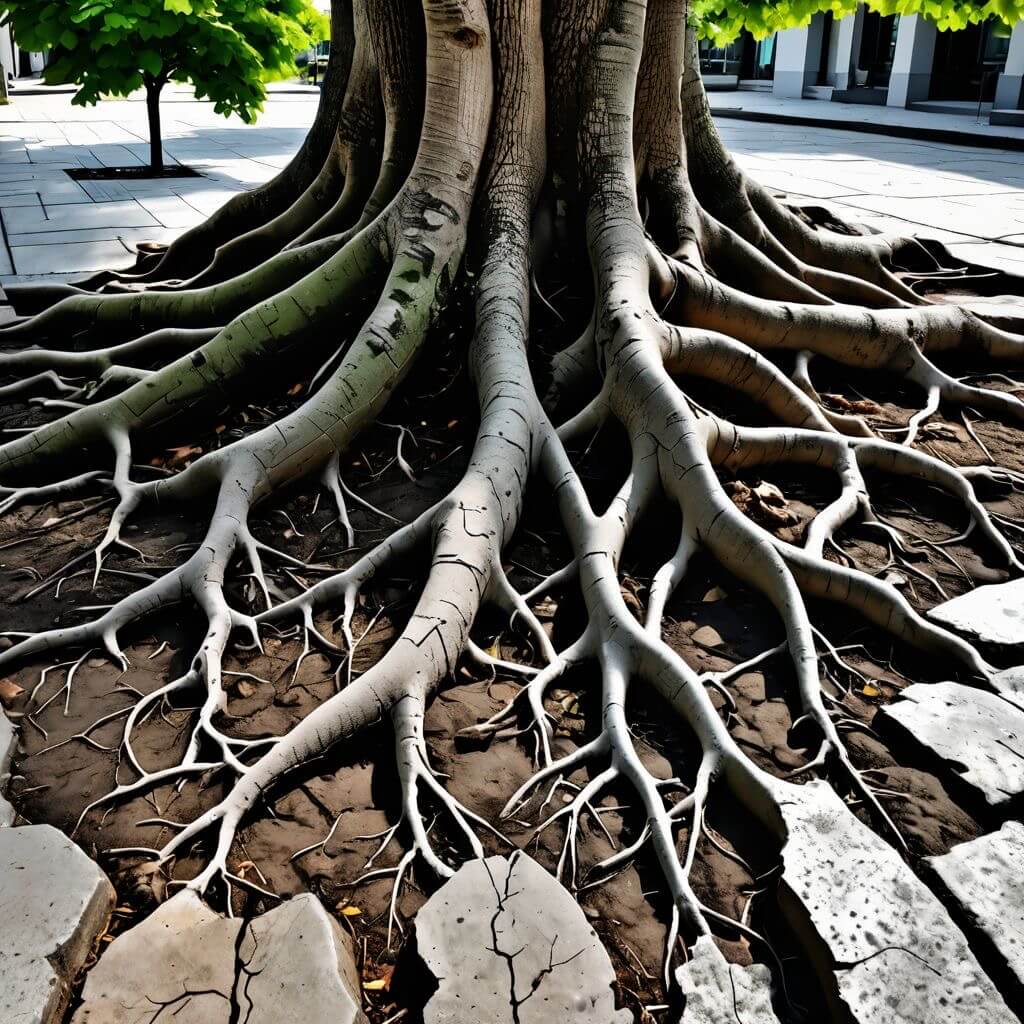
- Landscape features: Concrete surfaces, such as patios, can take a beating from aggressive root systems. It’s wise to research the root spread of your intended trees beforehand to avoid future headaches.
- Irrigation Systems: Ensure roots won’t interfere with existing irrigation, as they can disrupt water flow and drainage in your landscape.
By planning wisely and planting thoughtfully, you can enjoy the aesthetic appeal of trees while minimizing potential complications to your landscape.
Conclusion
In summary, we’ve just unpacked a treasure trove of insights into selecting, planting, and caring for trees in Winnipeg. From the detailed examination of how climate factors influence your choices to the essential preparation steps required for successful planting, we’ve tackled all aspects of nurturing these majestic living entities. Trees represent a valuable investment in your home’s beauty and overall ecological welfare, so let’s appreciate the art of nurturing them with care.
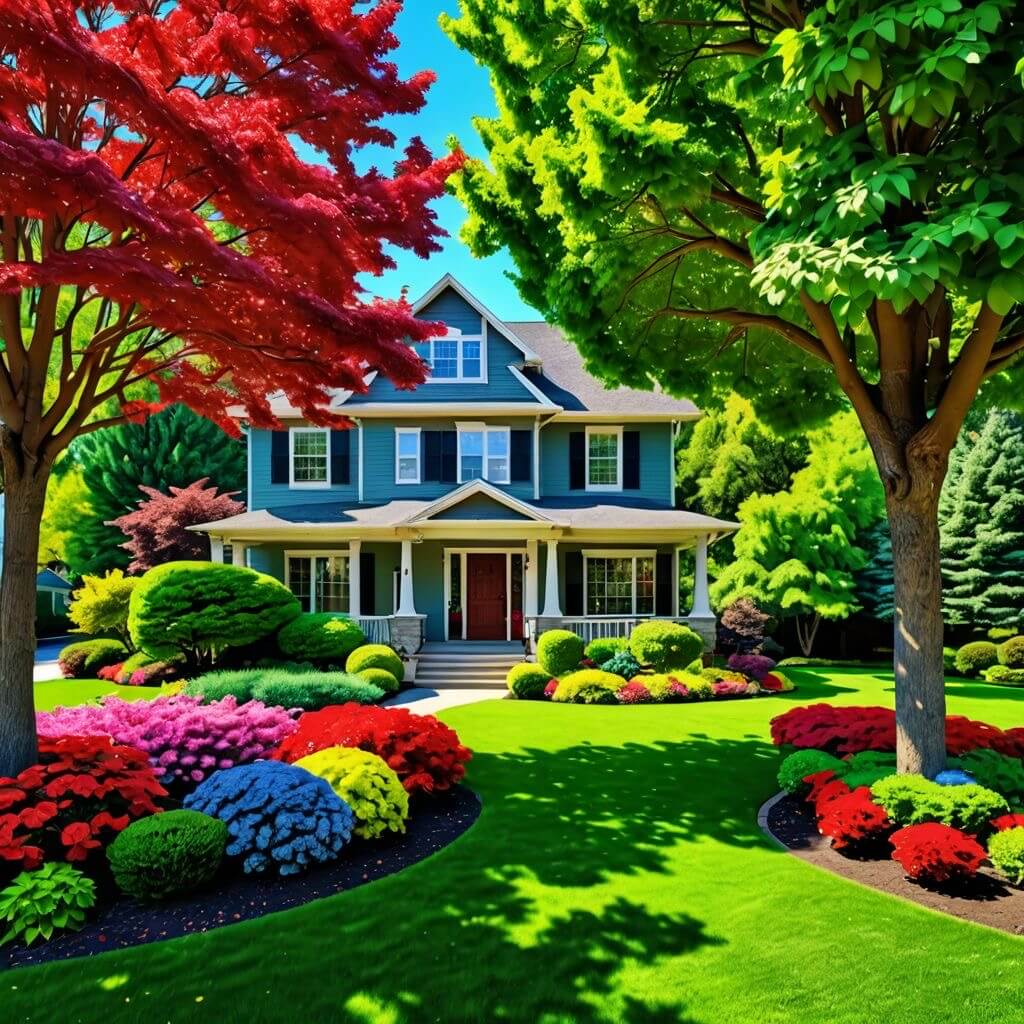
As you embark on your journey into the world of tree planting, remember the significant responsibilities that come with it. Regular inspections, timely watering, and monitoring for pests are all integral to ensuring that your trees not only survive but thrive. A lush, vibrant landscape dotted with proud trees will bring you joy, shade, and a magnificent backdrop against which to create lasting memories.

So get those gardening tools ready, spread that mulch, and take a moment to admire your handiwork as your trees grow, flourish, and contribute to the ecosystem of your yard. Here’s to happy planting, Winnipeg friends! May your trees thrive, stand tall, and bring you endless joy for many seasons to come.
Contact us today for your free estimate.
Frequently Asked Questions About Tree Planting in Winnipeg
1. What is the best time to plant trees in Winnipeg?
Spring and early fall are generally suitable times to plant trees in Winnipeg because temperatures are milder and the soil is usually easier to work with. Spring planting gives roots time to establish before winter, while early fall planting can work well when trees receive enough water before the ground freezes.
2. What trees grow well in Winnipeg yards?
Trees selected for Winnipeg should be able to tolerate cold winters, seasonal temperature changes, and the conditions of the individual property. Options may include maple varieties, Eastern white pine, Saskatoon berry, and other hardy trees suited to the available sunlight, soil, drainage, and yard size.
3. How do I choose the right tree for my Winnipeg property?
Consider the tree’s mature height and spread, sunlight requirements, preferred soil conditions, drainage needs, growth rate, and distance from buildings or hardscaping. The tree should also suit the purpose of the planting, whether you want shade, privacy, seasonal colour, wind protection, or a decorative focal point.
4. How far should a tree be planted from a house or structure?
The correct distance depends on the tree’s mature size and root-growth habits. Larger trees generally require more space from foundations, patios, fences, utility lines, and irrigation systems. Planning according to the tree’s mature dimensions helps reduce overcrowding and potential conflicts as it grows.
5. How often should a newly planted tree be watered?
A newly planted tree needs consistent moisture while its roots become established. Water deeply rather than applying small amounts frequently, and adjust the schedule according to rainfall, temperature, soil drainage, and signs of stress. The soil should remain moist without becoming continuously waterlogged.
6. Should mulch touch the trunk of a newly planted tree?
No. Mulch should be spread around the planting area while leaving a small gap around the trunk. Piling mulch directly against the bark can hold excess moisture around the base of the tree. A properly placed mulch layer helps conserve soil moisture, limit weeds, and moderate soil-temperature changes.
7. When should a newly planted tree be pruned?
Major pruning is normally avoided immediately after planting unless branches are dead, damaged, or creating a clear problem. The tree should first be allowed to establish its root system. Future pruning should focus on supporting healthy structure and removing damaged, crossing, or poorly positioned branches.
8. Can Sunshine Landscaping help plan tree placement in Winnipeg?
Yes. Sunshine Landscaping can discuss your property, landscaping goals, planting areas, and the factors that may affect tree placement. This may include sunlight, drainage, available space, nearby structures, existing landscape features, and the expected mature size of the selected trees.
Planning a tree-planting or landscaping project? Call or text 204-229-9789, or contact Sunshine Landscaping online to arrange a no-obligation introductory phone call about your Winnipeg property.
Tree Planting and Landscaping Services Across Winnipeg
Sunshine Landscaping provides tree planting, tree care, garden planning, and landscaping services for residential and commercial properties throughout Winnipeg. Our team understands the city’s cold winters, changing soil conditions, drainage concerns, and short growing season, helping property owners make practical choices for their outdoor spaces.
Within Winnipeg, Sunshine Landscaping regularly serves communities such as:
- River Heights
- Charleswood
- Tuxedo
- St. Vital
- River Park South
- Sage Creek
- South Pointe
- Amber Trails
- North Kildonan
- Linden Woods
- Island Lakes
- Transcona
- Bridgwater
Services are also available in communities near Winnipeg, including:
- East St. Paul
- West St. Paul
- St. Norbert
- St. Adolphe
- La Salle
- Grande Pointe
- Headingley
- Oakbank
- Oak Bluff.
Property location, project requirements, and service availability can be confirmed during the introductory call.
Because planting conditions can differ from one Winnipeg property to another, tree selection and placement should account for available space, sun exposure, drainage, soil quality, nearby structures, and the tree’s mature size.
Not sure whether your property is within the service area? Call or text 204-229-9789, or contact Sunshine Landscaping online to discuss your location and tree-planting or landscaping needs.